 how-to
How to Verify Used Car History: A Step-by-Step Guide
Table of Contents
- Why Verifying Used Car History Matters
- Step 1: Locate and Verify the Vehicle Identification Number
- Step 2: Run a Free Vehicle History Check
- Step 3: Perform a VIN Check for Used Cars
- Step 4: Check the Used Car Title Status
- Step 5: Schedule a Used Car Inspection Before Buying
- Step 6: Resolve Conflicting or Incomplete Records
- What to Do If History Reports Reveal Problems
- Frequently Asked Questions
Last Updated: October 12, 2026
Why Verifying Used Car History Matters
Buying a used car without taking time to verify used car history is like signing a contract you haven't read.
A used car's history reveals whether it's been in accidents, flooded, stolen, or rebuilt, plus owner count, service records, and odometer accuracy, all affecting safety, reliability, and resale value.
To verify used car history doesn't require special expertise, just knowing where to look.
Step 1: Locate and Verify the Vehicle Identification Number
The VIN is your starting point. This 17-character code is unique to every vehicle and unlocks its complete history, so make sure it's legitimate.
Where to Find the VIN
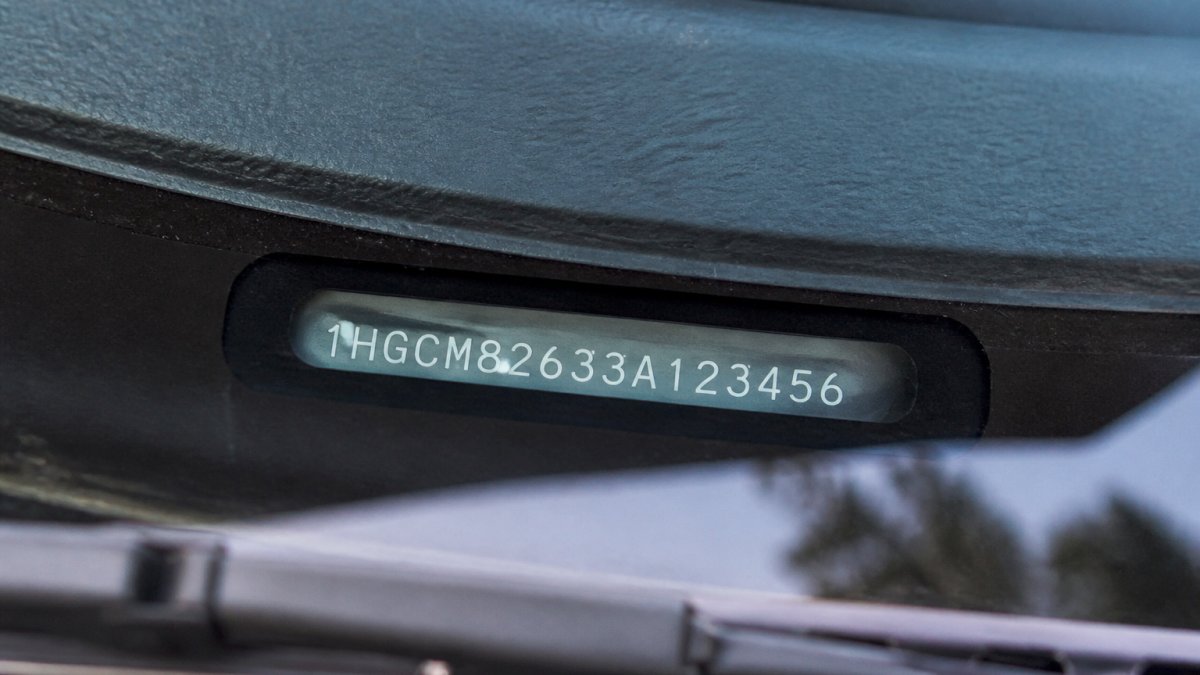
The VIN appears on the driver's side dashboard (visible through the windshield), the driver's side door jamb, the title, registration, and insurance cards.
How to Verify the VIN is Legitimate
The dashboard VIN, door jamb VIN, title, and registration should all be identical. A mismatch is a red flag for major accidents, salvage titles, or fraud.
The characters should be clearly stamped or engraved. If the VIN looks altered, painted over, or re-stamped, walk away.
The first character shows where the vehicle was made, the second and third identify the manufacturer, and characters 10 and 11 show model year and assembly plant.
Step 2: Run a Free Vehicle History Check
Free checks are a screening layer, not a substitute for a full report. Used correctly, they tell you whether a car is worth investigating further; used carelessly, they create false confidence.
What Free Sources Actually Return
NMVTIS does not include accident records, service history, lien details, or full owner names. It is a title-and-brand database, not a narrative history.
CARFAX and AutoCheck offer limited free previews that surface a title-brand flag, salvage or total-loss event, or recent accident, then prompt you to buy the full report.
Other free or low-cost checks:
- NHTSA VIN decoder, confirms make, model, model year, plant, and body style from the VIN itself. Useful for catching a VIN that doesn't match the car being sold.
- NHTSA recall lookup, returns open safety recalls tied to that VIN. An unrepaired recall is a negotiating point and sometimes a safety issue.
- National Insurance Crime Bureau (NICB) VINCheck, a free theft and salvage check showing whether the VIN appears in participating insurers' theft or total-loss records. Coverage is voluntary, so a clean result isn't proof the car was never stolen.
NMVTIS consumer information and approved provider list
What Free Checks Cannot Tell You
Every free source only knows what someone reported. A fender-bender paid out of pocket, a repair at a shop that doesn't feed reporting networks, or an accident with no insurance claim won't appear.
A car can show a spotless free check yet have a salvage history that was never reported, then rebuilt and retitled elsewhere. Free checks are a filter, not a verdict.
When a Free Check Is Enough
A free check plus a thorough inspection is reasonable for a low-value vehicle where a full report is a meaningful percentage of the price, or a car from a long-term owner with service records and the original title. Above a few thousand dollars, a comprehensive report costs little relative to missing a branded title or total-loss history.
Step 3: Perform a VIN Check for Used Cars
A paid VIN check for used cars compiles data from state DMVs, insurers, police records, and auto auctions, showing complete ownership history, accident records, service history, and title status.
What VIN Reports Reveal
A detailed VIN report includes title history (clean, salvage, branded, or rebuilt), every recorded owner and how long they kept the vehicle, the state of registration, and accident records with date, severity, and airbag deployment.
Odometer readings verify mileage consistency across ownership changes, service records show maintenance history, and insurance loss records indicate any total-loss declaration.
The report also flags stolen vehicle records, flood damage, and lemon law cases, and some include recall information specific to that VIN.
Interpreting Report Results
A clean title means no major accidents, salvage history, or theft records.
A salvage title means an insurer declared the vehicle a total loss; a rebuilt title means it was repaired after salvage and passed inspection.
Multiple owners in a short time can indicate mechanical problems. Compare mileage increases between owners, unusually high jumps suggest heavy use or odometer fraud.
Step 4: Check the Used Car Title Status
Title status is where most used-car deals are won or lost, and rules vary by state. A report tells you what a database thinks the title says; the title document tells you what the state actually recorded. You need both.
Understanding Title Brands
A clean title means no recorded major damage, salvage event, or theft, the baseline you want.
A salvage title means an insurer declared the vehicle a total loss, typically because repair cost exceeded a threshold percentage of value, or it was stolen and not recovered (Salvage and Junk Vehicles - American Association of Motor Vehicle Administrators).
A rebuilt or reconstructed title means the vehicle was salvaged, repaired, and passed a state inspection.
A branded title is an umbrella term covering flood, water damage, hail, lemon law buyback, prior taxi or police use, odometer discrepancy, and junk.
Why State Rules Matter
Title branding, inspection requirements, and disclosure obligations are set by state agencies, not a national standard. Consequences for buyers:
- Branding thresholds differ. A state that brands at 70% of value produces fewer salvage titles than one that brands at 50%.
- Inspection requirements differ. Some states require a rebuilt vehicle to pass a structural and safety inspection before a rebuilt title is issued. Others are less rigorous.
- Reciprocity differs. Most states honor an out-of-state brand when the vehicle is retitled, but the brand name may change and the underlying record may not transfer cleanly.
The most useful call you can make is to the motor vehicle agency in the state where the car is titled. Ask: What brand is on this title? What does it mean in your state? What's required to retitle it in my name? Get the answer in writing if you can.
Verifying the Title Document Itself
Do not accept a photocopy, screenshot, or verbal assurance. Ask to see the original title and photograph it.
Check these items on the document:
- VIN match. The VIN on the title must match the dashboard VIN, the door-jamb VIN, and the registration. Any mismatch is a stop sign.
- Seller name. The seller must be the registered owner named on the title, or have a valid power of attorney or dealer reassignment. If the name doesn't match and there's no documentation, walk away.
- Lienholder field. If a lender is listed, the lien must be released before you can receive a clean title, shown by a signed lien-release statement, a stamped "lien released" notation, or a separate release document. An open lien means someone else has a legal claim to the car.
- Brand notation. Look for any stamp, sticker, or printed brand on the face of the title. This is the authoritative brand, not the report.
- Odometer statement. Many titles include an odometer disclosure at transfer. Compare it to the current reading and prior readings on the report.
- Assignment section. The back of the title is where ownership transfers. Check that the assignment is completed correctly, signatures match the front, and there are no gaps or alterations.
Ownership History and Liens
The report gives you a count of owners; the title and state record give you the truth. Patterns to watch:
- One or two owners over several years is normal and generally a good sign.
- Several owners in a short window can indicate a mechanical problem, a title problem, or a car being flipped. Ask why each owner sold.
- A recent title transfer right before the sale is worth questioning, it can mean the seller bought the car specifically to resell it, sometimes a sign of title washing.
Title Washing: What It Is and How to Spot It
Title washing is moving a branded vehicle through states to obscure its history, a car salvaged in one state may be retitled in another where the brand isn't carried forward, emerging with what looks clean. Signs include:
- A short ownership period in a different state immediately after a reported total loss.
- A title issued in a state the car has no other connection to.
- A report showing a salvage or total-loss event but a title document with no brand.
If any appear, contact the motor vehicle agency in every state the car has been titled in and ask for the title history directly, the only reliable way to reconstruct a washed title.
Step 5: Schedule a Used Car Inspection Before Buying
No report can replace an in-person inspection. A professional mechanic can spot problems that don't show up in any database, so don't skip this step.
What a Professional Inspection Covers
A professional inspection checks the engine for leaks, corrosion, and proper operation; tests the transmission, brakes, suspension, and steering; and examines the body and frame for past accidents, rust, or poor repairs.
The inspector checks interior wear against reported mileage, verifies lights, windows, locks, and electronics, and inspects tires and battery condition.
A good inspection includes a test drive to evaluate handling, acceleration, and braking, listening for unusual noises and feeling for vibrations.
Red Flags During Inspection
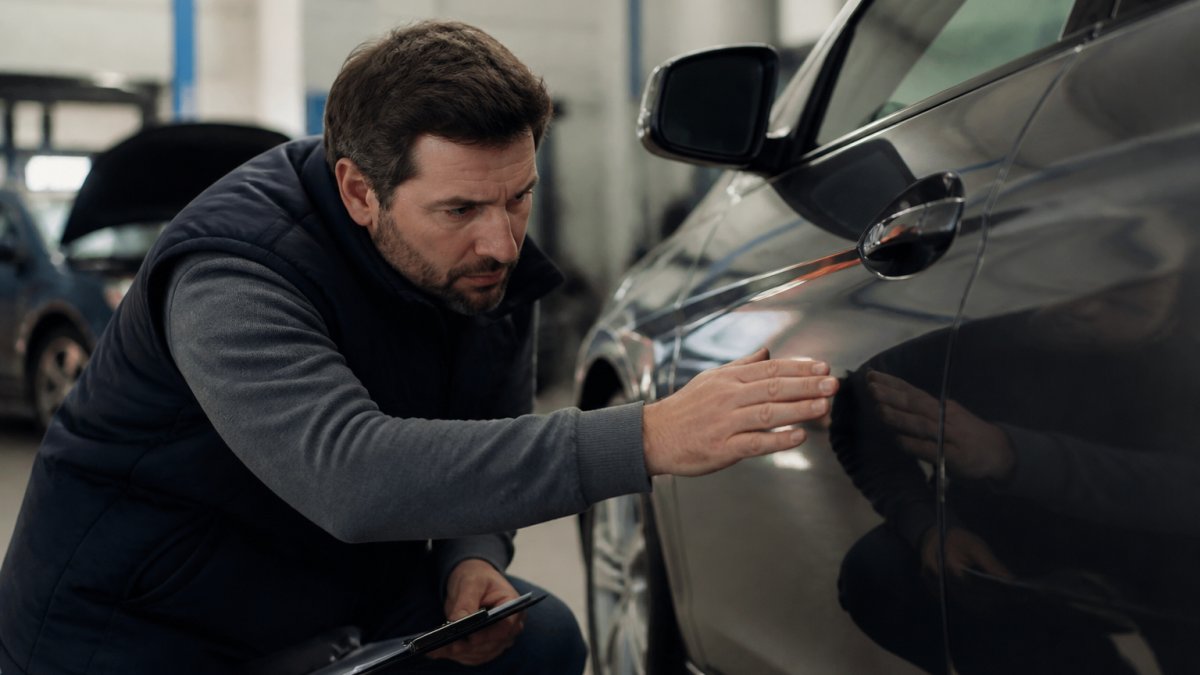
Mismatched paint or uneven panel gaps suggest previous accident repairs.
Rust on the undercarriage, especially where it shouldn't be, indicates possible flooding or salt-water exposure.
Excessive steering play, soft brakes, or a suspension that bottoms out point to expensive repairs.
If odometer mileage doesn't match interior wear patterns, that's odometer fraud.
Step 6: Resolve Conflicting or Incomplete Records
Sometimes reports conflict, one shows an accident another doesn't, or ownership records have gaps.
Contact the state DMV for the authoritative record, if a report conflicts with DMV records, the DMV is correct.
For ownership gaps, the seller should be able to explain, leasing companies and corporate fleets can delay public records.
What to Do If History Reports Reveal Problems
For minor, documented accidents years ago, you might accept the vehicle at a reduced price.
Document everything, reports, inspection results, and seller communications, to protect yourself if problems emerge after purchase.
At AutoMatch USA INC, we help buyers navigate these decisions, explaining what reports mean and whether a vehicle is worth buying.
Frequently Asked Questions
How can I check a used car history for free?
Several government and nonprofit resources offer free vehicle history checks using the VIN. The National Motor Vehicle Title Information System (NMVTIS) provides access to title and registration records at no cost. You can also use free VIN lookup tools available through state DMVs or nonprofit consumer protection organizations. While free checks provide basic title and ownership information, they may not include detailed accident or damage records that paid reports offer. For a comprehensive picture, combine free government resources with a professional inspection.
What information does a VIN check for used cars reveal?
A VIN check uncovers critical vehicle data including title status, ownership history, accident records, odometer readings, recall information, and whether the vehicle was declared a total loss by insurance. The report identifies branded titles (salvage, junk, or rebuilt), theft records, and flood damage history. Some reports include service records and maintenance history. However, VIN checks cannot detect unreported accidents or private damage repairs. This is why combining a VIN check with a professional pre-purchase inspection is essential for complete verification.
What should I do if a vehicle history report shows conflicting information?
Conflicting records can occur due to reporting delays, data entry errors, or title transfers still processing. First, request a detailed explanation from the seller. Contact your state's DMV directly to verify current title status and registration records. If you find significant discrepancies such as mismatched ownership history or conflicting accident reports, consider having a certified mechanic inspect the vehicle to assess actual condition. You may also request the seller provide documentation supporting their account of the vehicle's history. If discrepancies suggest fraud or undisclosed damage, walk away from the purchase.
Is a professional inspection necessary if I have a vehicle history report?
Yes. A vehicle history report and a professional inspection serve different purposes. Reports show documented records like accidents and title status, but they cannot detect mechanical issues, hidden frame damage, or unreported repairs. A certified mechanic performs a hands-on evaluation of the engine, transmission, suspension, brakes, and body condition. Many buyers discover major problems during inspection that didn't appear in history reports. This two-step approach, verification through history records plus professional inspection, gives you the most complete picture before purchasing.
Buying a used car requires diligence, but the process is straightforward once you know the steps. Start with the VIN, run both free and paid history checks, verify the title status, get a professional inspection, and resolve any questions before you sign. When you're ready to find your next vehicle, search our inventory or contact AutoMatch USA INC to get started with confidence.