 how-to
How to Check Used Car History for Accidents
Table of Contents
- How to Check Used Car History for Accidents
- Signs of Previous Accident Damage on a Car
- Questions to Ask a Seller About Accident History
- Frequently Asked Questions
Last Updated: October 18, 2026
How to Check Used Car History for Accidents
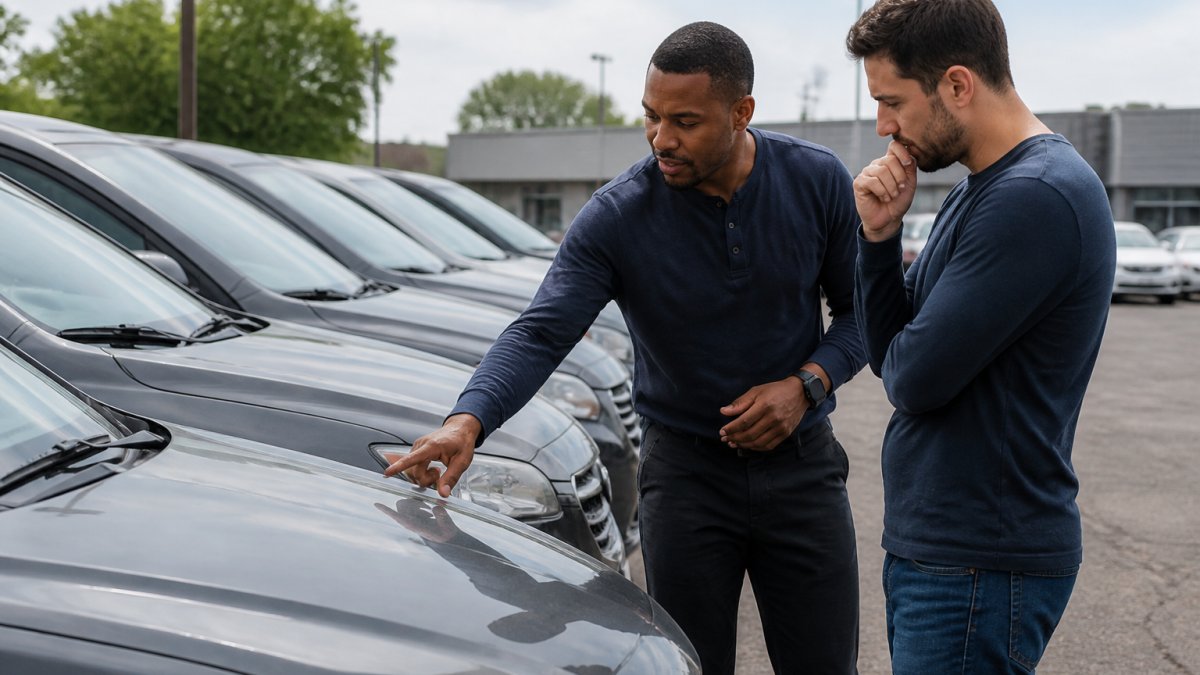
Buying a used car is a big decision. You want to know what you're getting into. One of the most important things to check is whether the vehicle has been in an accident. At AutoMatch USA Inc., we help customers in Toledo and Northwest Ohio understand how to check used car history for accidents so they can make confident purchasing decisions.
The good news: you have multiple ways to find this information. You can check the vehicle identification number, review accident records, and inspect the car in person. Each method gives you different clues about the vehicle's past.
Let's walk through the steps to check used car history for accidents.
Signs of Previous Accident Damage on a Car
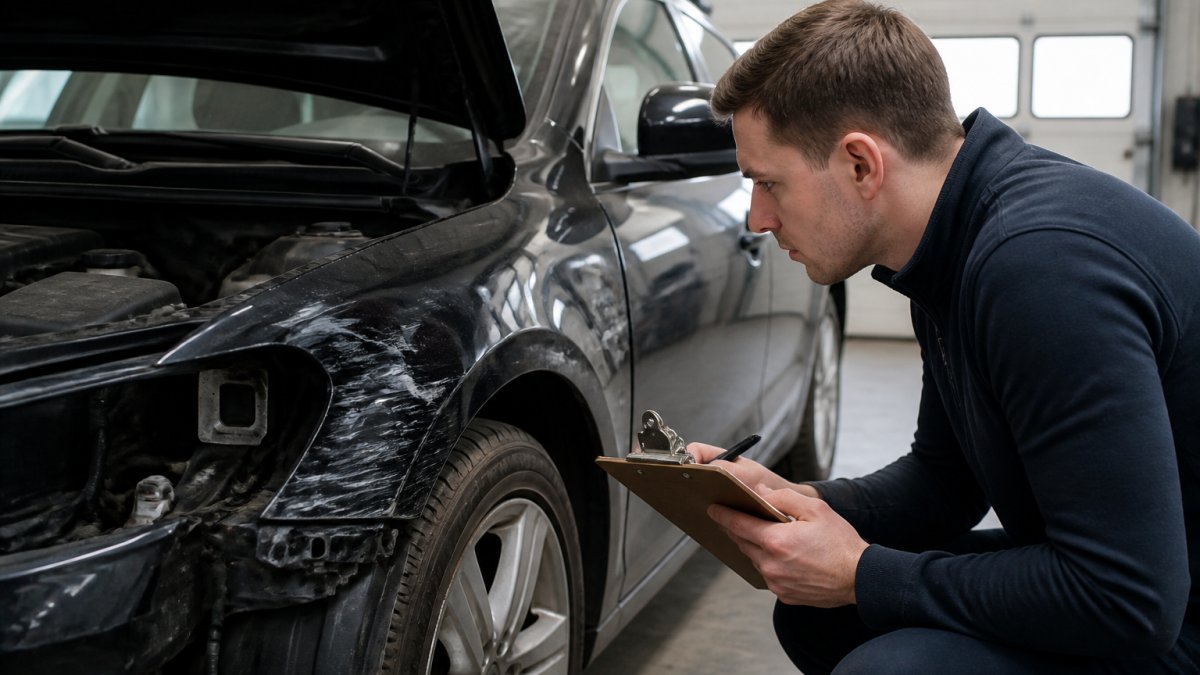
Before you pull a vehicle history report, look at the car itself. Physical signs tell you a lot about what happened to it.
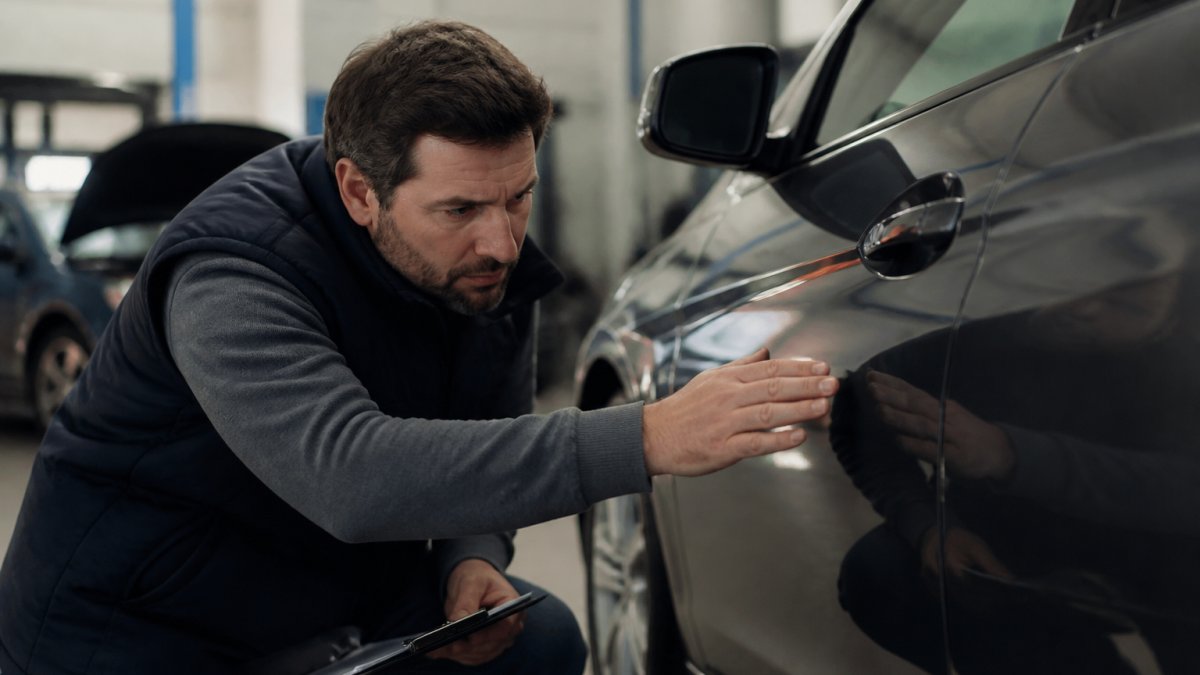
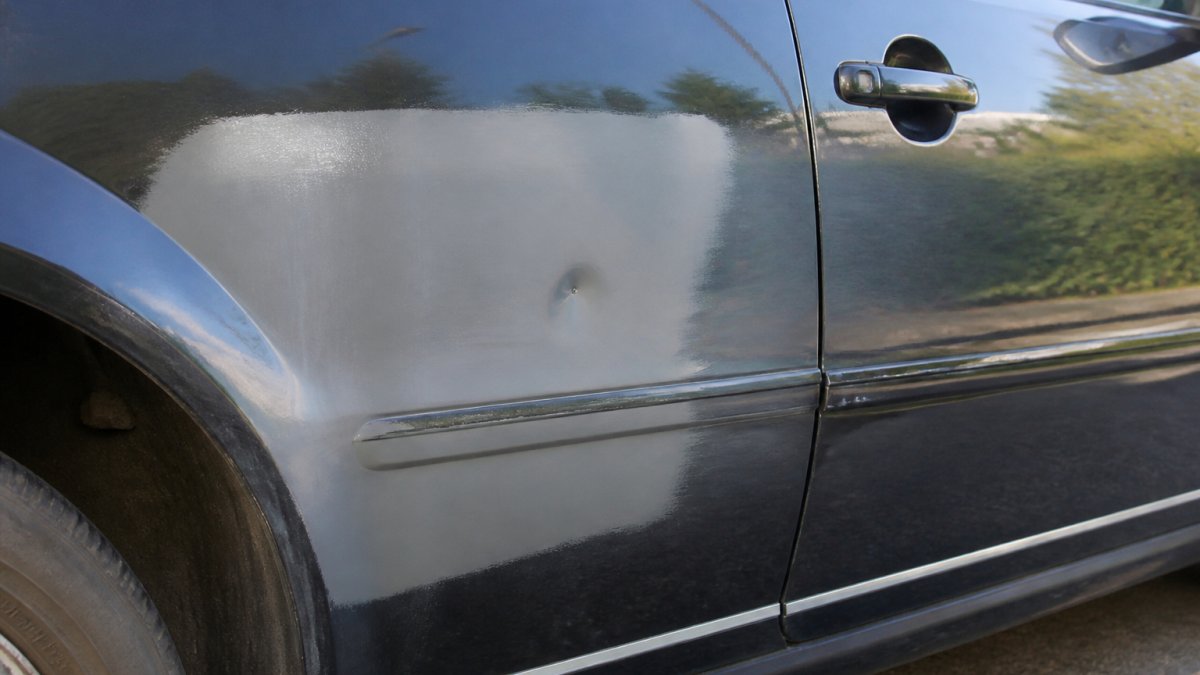
Start with the body panels. Run your hand along the sides, hood, and trunk. Feel for dents, dings, and rough spots. Look for paint that doesn't match. If one door is a slightly different shade than the rest, that panel was likely repainted after damage.
Check the panel gaps. Open and close the doors, hood, and trunk. The spacing should be even. Uneven gaps mean the panels were removed and reinstalled, often after collision repair.
Look at the lights. Headlights and taillights should be clear and undamaged. Cloudy or cracked lenses can mean impact damage.
Inspect the frame. Get under the car if you can. The frame should be straight with no bends or welds. Frame damage is serious and expensive to fix.
Pay attention to airbag deployment. If airbags have been deployed, there will be visible signs inside the cabin. Replacement airbags are a sign of significant collision impact.
Questions to Ask a Seller About Accident History
Direct conversation matters. Ask the seller specific questions about accident history.
Start simple: "Has this car ever been in an accident?" Listen to their answer. A hesitant response or vague answer is a red flag.
Ask follow-up questions:
- Was the damage reported to insurance?
- What type of accident was it?
- How extensive was the repair?
- Do you have repair receipts or documentation?
A seller with nothing to hide will have records. Maintenance records and repair invoices show what work was done and by whom. Professional repair shops keep detailed paperwork.
Ask about the title. Some vehicles have branded titles after major accidents. A salvage title, rebuilt title, or flood title means the car had significant damage. The seller should disclose this upfront.
Request a vehicle history report. Most sellers can provide one. If they refuse, that's a warning sign. A clean report gives you peace of mind.
Frequently Asked Questions
Can I check a vehicle's accident history for free?
Yes. You can start with a free VIN check through the National Highway Traffic Safety Administration (NHTSA) website to see recalls and basic information. However, most comprehensive vehicle history reports that include accident records, title history, and odometer readings require a small fee. Many dealerships, including AutoMatch USA Inc., can help you obtain a full vehicle history report to review reported accidents and collision damage before you make a purchase decision.
What should I look for when inspecting a car that has been in an accident?
Inspect panel gaps for alignment issues, check for mismatched or repainted panels, look for dents and scratches that don't match the car's age, and verify that doors, hood, trunk, and liftgate open and close smoothly. Check headlights and taillights for damage or replacement. Pay attention to frame damage or structural issues, which are more serious than cosmetic repairs. If you're unsure about what you're seeing, consider having a trusted mechanic perform a pre-purchase inspection.
Does it matter if a used car has been in an accident?
It depends on the accident severity and repair quality. Minor fender benders with proper repairs may not affect the vehicle's reliability. However, accidents involving frame damage, airbag deployment, or poor repair work can indicate deeper structural or mechanical problems. A vehicle history report showing reported accidents combined with a physical inspection helps you understand whether the damage was minor or serious. This information is crucial to your purchase decision and helps you avoid vehicles with hidden mechanical issues.
Knowing how to check used car history for accidents protects your investment. Start with a physical inspection, ask the seller direct questions, and always review the vehicle history report before you buy. When you're ready to find a reliable used vehicle, browse our inventory at automatch-usa.com or call or text us at 419-454-1410. We're here to help you find the right car with confidence.