 ultimate-guide
Buying Your First Car: A Beginner's Guide
Table of Contents
- Set Your Budget and Understand Total Ownership Costs
- New vs. Used: Which Makes Sense for Your First Car
- Research Vehicle Needs and Compare Reliable Options
- Frequently Asked Questions
Last Updated: October 21, 2026
Set Your Budget and Understand Total Ownership Costs
Buying first car is one of your largest purchases, so know what you can afford before visiting a lot. Budget for the vehicle, down payment, monthly payments, insurance, fuel, maintenance, and registration fees, not just the sticker price.
Insurance varies by vehicle type, age, and driving history, and fuel economy matters, 15 mpg costs far more to operate than 30 mpg. Keep total car costs below 15-20% of gross monthly income.

New vs. Used: Which Makes Sense for Your First Car
New cars offer manufacturer warranties and the latest safety features, but they depreciate fastest early on, and payments and insurance tend to be higher. Used vehicles cost less upfront, have absorbed their steepest depreciation, and typically carry lower insurance premiums, though you inherit the previous owner's maintenance habits, so a used car buying checklist is essential.
When buying first car, a used vehicle often makes more financial sense, especially with a limited budget or uncertain credit. At AutoMatch USA Inc., we specialize in quality pre-owned vehicles and can walk you through what to look for in a used car's history and condition.
Research Vehicle Needs and Compare Reliable Options
Before shopping, define what you actually need: passenger capacity, main use, cargo space, typical driving distance, and fuel economy. Then research makes and models that fit, checking reliability ratings, fuel economy, insurance costs, and maintenance history, and compare options side by side.
This research puts you in a stronger position: you'll know what questions to ask, what red flags to watch for, and whether you're getting a fair deal. At AutoMatch USA Inc., we're happy to answer questions about specific vehicles and help you find options that match your needs and budget.
| Research Step | What to Evaluate | Why It Matters |
|---|---|---|
| Define needs | Passenger capacity, cargo space, driving distance | Ensures the vehicle actually fits your life |
| Check reliability | Long-term ownership data, common issues | Prevents buying a vehicle with expensive problems |
| Compare costs | Insurance, fuel economy, maintenance history | Reveals true ownership costs beyond the purchase price |
Buying your first car doesn't have to feel overwhelming. The key is researching upfront, understanding your budget, and being honest about what you need. When you're ready to explore options, AutoMatch USA Inc. is here to help. Financing is subject to approval, and Buy Here Pay Here options are available on select vehicles. Browse our quality pre-owned inventory at automatch-usa.com or call or text us at 419-454-1410.
Frequently Asked Questions
What should I look for when buying a car for the first time?
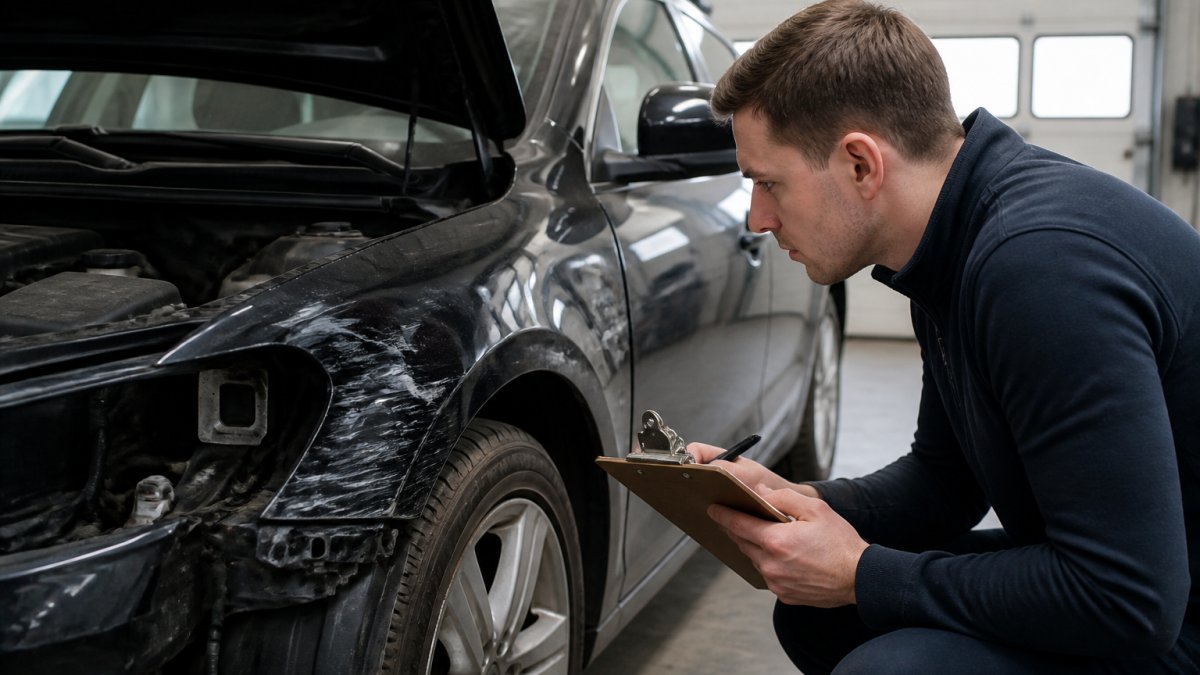
Start by checking the vehicle's history report, mileage, and service records. During a test drive, listen for unusual noises, check the brakes and steering, and verify all lights and wipers work. Inspect the body for rust or accident damage, and have a trusted mechanic perform a pre-purchase inspection. Ask the seller about any repairs, accidents, or outstanding recalls. Finally, review the title to ensure it's clear and matches the seller's information.
How can I set a realistic budget for my first car?
Calculate your monthly income and determine what you can afford toward a car payment. Include insurance, maintenance, fuel, and registration costs in your total budget. Consider a down payment to reduce your loan amount. Use an online calculator to see how different loan amounts and terms affect your payment. Be honest about your income and expenses to avoid overextending yourself.
Can I get financing if I have bad credit or limited credit history?
Yes, financing options are available for buyers with challenged credit. AutoMatch USA Inc. works with customers in various credit situations and offers Buy Here Pay Here options on select vehicles, subject to approval. You may face a higher interest rate or be required to provide a larger down payment. Consider bringing a co-signer with better credit, or work on improving your credit score before applying.