 blog
blog
Affordable Used Cars: A Toledo Buyer's Guide
Table of Contents
- Why Affordable Used Cars Make Sense in Today's Market
- Understanding Your Budget: Finding Quality Pre-Owned Vehicles Under $10,000
- How to Inspect a Used Car Before Buying
- Financing Used Cars with Bad Credit: Your Real Options
- Trade-In Value for Used Cars: Maximize Your Current Vehicle
- Comparing Reliable Makes and Models Under Budget
- Avoiding Common Mistakes When Buying Affordable Used Vehicles
- Your Next Step: Finding the Right Vehicle
- Frequently Asked Questions
Last Updated: October 2, 2026
Why Affordable Used Cars Make Sense in Today's Market
Buying an affordable used car has shifted from a compromise to a smart financial choice. New vehicles depreciate rapidly in their first three years, losing significant value before you've finished your first payment. Pre-owned vehicles skip that steepest depreciation curve entirely.
At AutoMatch USA Inc., our team helps Toledo-area shoppers compare pre-owned vehicles, understand their available options, and find a vehicle that fits their needs and budget.
The biggest misconception is that affordable means unreliable. It doesn't. It means smart shopping.
This guide walks you through finding quality used cars without the guesswork. We'll cover inspection basics, financing reality for buyers with challenged credit, and how to avoid the mistakes that cost most people thousands in regret.
Understanding Your Budget: Finding Quality Pre-Owned Vehicles Under $10,000
Setting a realistic budget means knowing what you can actually afford, not just what dealers will approve you for. The monthly payment is only part of the cost equation. Insurance, maintenance, registration, and fuel all factor into your true cost of ownership.
Many buyers focus solely on the monthly payment and ignore the total cost of ownership. A $200 monthly payment on a vehicle with frequent repairs and high insurance costs can cost more than a $250 payment on a reliable, efficient car. Work backward from your total monthly transportation budget, then allocate to the vehicle payment.
When you're searching inventory, use price filters to narrow results immediately. Start with your maximum and work down. Don't fall in love with a vehicle outside your budget hoping financing will stretch it, that's how buyers end up underwater on loans.
Vehicles under $10,000 can vary widely in age, mileage, condition, service history, and repair needs. Buyers should consider the complete condition of the vehicle, inspection results, title history, expected maintenance, and total ownership cost rather than relying on mileage or model year alone.
AutoMatch USA INC's personalized shopping request service helps you narrow inventory by your specific needs and budget. Instead of browsing hundreds of listings, we match your criteria to available vehicles, saving hours of research.
How to Inspect a Used Car Before Buying
A pre-purchase inspection is the single most important step you can take before signing any paperwork. You're not a mechanic, you don't need to be. You need to know what to look for and when to walk away.
Visual and Physical Inspection Checklist
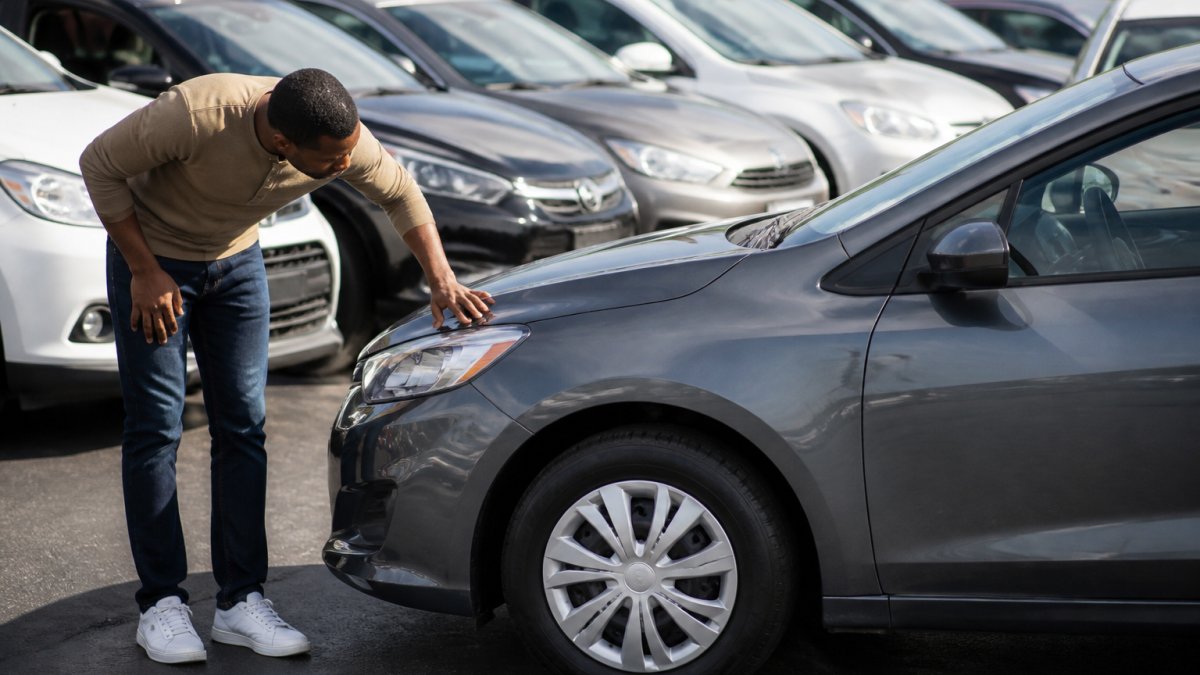
Start outside the vehicle in daylight. Walk around the entire perimeter looking for mismatched paint, dents, rust, or signs of accident repair. Open every door and check that they close smoothly without rattling. Look at the gaps between panels, they should be even. Uneven gaps often signal accident damage or poor repair work.
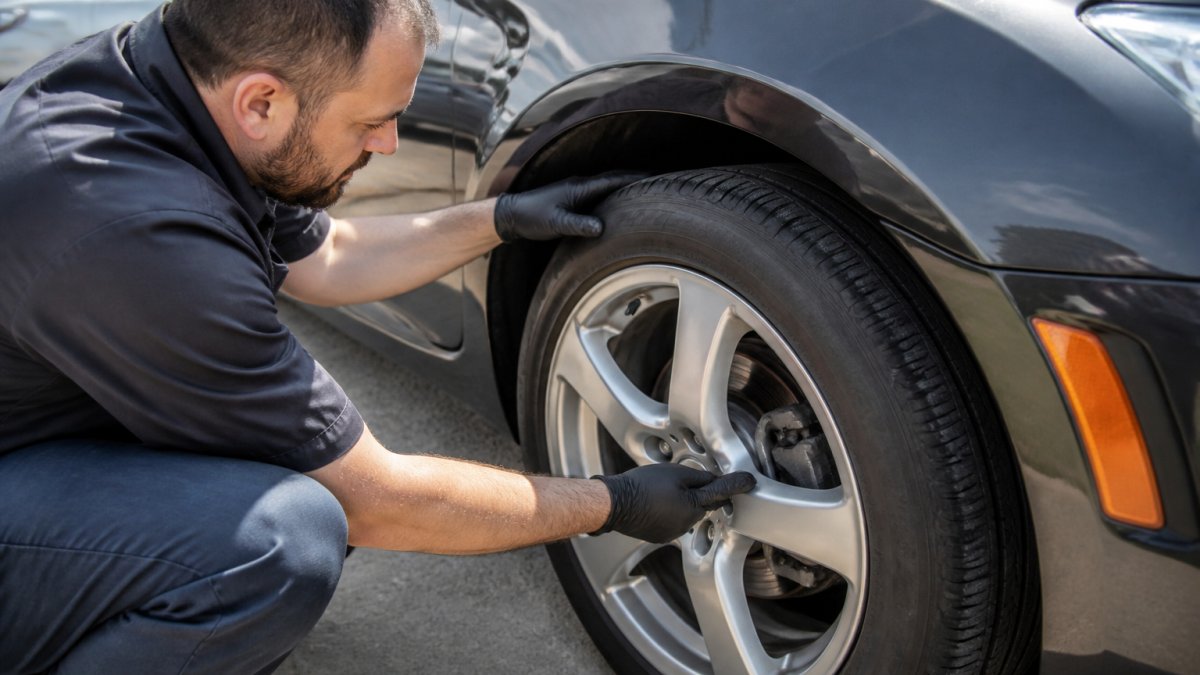
Check the tires. Worn tires cost money to replace immediately. Look at the tread depth using the penny test: insert a penny into the tread with Lincoln's head upside down. If you can see the top of his head, the tread is too worn. All four tires should have similar wear patterns. Uneven wear suggests alignment or suspension issues.
Pop the hood. You're not diagnosing engine problems, you're checking for obvious red flags. Look for fluid leaks under hoses and connections. Fluid stains on the engine block suggest long-standing leaks. Check the oil level on the dipstick. Low oil or dark, thick oil indicates poor maintenance. Check coolant, brake fluid, and windshield washer levels.
Sit inside and test every feature: windows, locks, climate control, wipers, lights, and the infotainment system. A broken window motor costs $300-$500 to repair. These aren't deal-breakers, but they're negotiation points.
Vehicle History Report and Title Verification
A vehicle history report can help identify reported title, odometer, accident, and service information. However, reports may not include every incident or mechanical issue, so buyers should also review the vehicle’s condition and consider an independent inspection.
Financing Used Cars with Bad Credit: Your Real Options
AutoMatch USA Inc. works with customers across a range of credit situations. Available terms depend on factors such as the applicant, vehicle, lender requirements, down payment, and loan structure. Financing is subject to approval, and Buy Here Pay Here options are available on select vehicles. Our team will explain the available terms and payment details before documents are signed.
Monthly Payments and Interest Rate Transparency
Interest rate transparency matters. You should know your rate before you sign anything. Some dealers quote one rate, then change it at signing, that's bait-and-switch and it's illegal, but it happens. Ask for your rate in writing before you commit.
Longer terms mean lower monthly payments but higher total interest paid. Calculate both before deciding.
Monthly payments depend on three factors: the vehicle price, the interest rate, and the loan term. With bad credit, your rate is higher, which means you either accept higher payments or extend the term. There's no magic solution, just trade-offs. Choose the payment you can actually afford month after month.
Some lenders charge origination fees or documentation fees. These get added to your loan balance, increasing the total amount financed. Ask about all fees upfront.
Trade-In Value for Used Cars: Maximize Your Current Vehicle
If you're trading in your current vehicle, you're essentially selling it to the dealership. Most buyers underestimate what their vehicle is worth, which costs them money.
Research your vehicle's market value before you arrive.
Comparing Reliable Makes and Models Under Budget
Reliability varies dramatically between makes and models, even in the same price range. A Toyota with 120,000 miles is often more reliable than a luxury brand with 60,000 miles. Buy what's proven, not what's prestigious.
Transmission type matters.
Avoiding Common Mistakes When Buying Affordable Used Vehicles
The biggest mistake is rushing. You see a vehicle you like, you're excited, and you skip steps. Slow down. Every vehicle will eventually be replaced by another. Taking an extra week to inspect and research saves you from expensive regrets.
Your Next Step: Finding the Right Vehicle
Finding an affordable used car that fits your budget and your needs takes research, but it's worth the effort. You're not just buying transportation, you're making a financial decision that affects your budget for the next several years.
Frequently Asked Questions
What's the best way to find affordable used cars with transparent pricing?
Start by searching local dealership inventory online and filtering by price range and body style. Compare listings across multiple sources to understand market value for your target make and model. Request a vehicle history report before visiting, and ask the dealership to itemize all dealer fees upfront. Transparent pricing means no surprise charges at signing—confirm the final price includes all fees and taxes before committing.
How does financing work for used cars with bad credit?
Many lenders specialize in auto loans for challenged credit histories. You'll typically need a down payment (even a small one helps), proof of income, and a valid ID. The dealership can connect you with lenders who work with various credit profiles. Your interest rate depends on credit score, down payment size, and loan term. Monthly payments are calculated based on the vehicle price, interest rate, and loan length.
What should I look for when inspecting a used car before buying?
Check the exterior for rust, dents, and paint consistency. Inside, test all lights, wipers, air conditioning, and seat adjustments. Listen for unusual engine noises during a test drive. Review the vehicle history report for accidents or salvage titles. Have a trusted mechanic inspect the brakes, transmission, and suspension if possible. Request maintenance records to verify the vehicle was serviced regularly. Mileage should match the odometer—high mileage isn't always bad if the car was well-maintained.
How can I maximize my trade-in value for used cars?
Clean the interior and exterior thoroughly before valuation. Gather all maintenance records and service history—regular upkeep increases value. Be honest about mechanical condition and accident history; dealers will inspect anyway. Get a pre-appraisal from multiple dealerships to understand fair market value for your vehicle. The trade-in amount reduces your down payment on the new car, lowering the loan amount and monthly payments. Timing matters—popular models and seasons affect demand and resale value.